
Strategic Marketing Support for Businesses & Nonprofits
Our Client Relationships Begin With a Marketing Roadmap
That process gives us the chance to understand your organization, your goals, your audience, and the gaps between what is happening inside your organization and what people are seeing on the outside.
Marketing strategy is what helps carry that direction into the work.
It helps us make decisions about what should be created, what should be cleaned up, what should be prioritized, and how the different pieces of your marketing should work together.
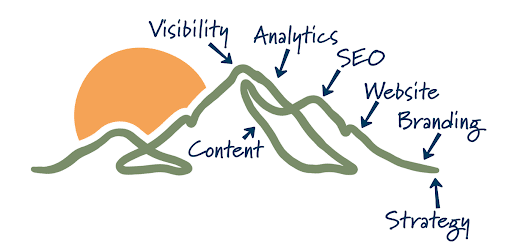

Strategy That Keeps the Work Connected
Marketing can get scattered quickly. A social media post here. A brochure there. A campaign that needs to go out. A website page that needs to be updated. A new idea from a board meeting, staff meeting, or customer conversation.
All of those pieces may matter, but they need direction behind them. Marketing strategy helps make sure the work is not being done just to check a box. It gives each piece a purpose and helps your organization show up in a way that is more consistent, clear, and connected to your goals.

How Strategy Supports the Roadmap
The Marketing Roadmap gives us the big picture. Marketing strategy helps us use that big picture to make ongoing decisions. That may look like helping your team decide what message needs to come first, what campaign makes the most sense, what audience you are trying to reach, or what content needs to be created. It may also mean looking at where your time and budget are being spent and deciding what is worth continuing, shifting, or setting aside.
The roadmap helps set the direction. Strategy helps keep the work moving in that direction.
Making Better Marketing Decisions
The harder part is deciding what matters most right now. We help organizations sort through the ideas, requests, needs, and opportunities that come up throughout the year. That could include campaign planning, content direction, social media strategy, website updates, messaging, audience review, brand positioning, or internal team alignment.
The goal is to make sure the work connects back to your bigger goals instead of turning into a list of disconnected marketing tasks.
When Strategy Matters Most
Marketing strategy becomes especially important when an organization has grown, changed, added services, shifted audiences, hired new staff, or realized that the marketing people are seeing no longer matches the work happening inside the organization. It is also helpful when a team has a lot of good ideas, but not enough clarity around what should happen first.
Strategy gives your team a place to come back to when questions come up. What message matters most right now? Who are we trying to reach? What needs to be updated? What can wait? What should we stop doing? What pieces need to work together?



Our Approach
We do not believe strategy should be complicated just to sound impressive. It should be useful. Our job is to help your organization make better marketing decisions and keep the work connected. Sometimes that means looking at the full picture. Sometimes it means helping sort through priorities. Sometimes it means making sure the day-to-day work still connects back to the bigger goals. Either way, strategy helps keep your marketing from turning into separate pieces that do not fully reflect who you are or where you are going.

Helping the Right Pieces Move Forward
Your marketing should reflect the work, values, people, and goals behind your organization. Marketing strategy helps make sure the pieces you create, from website content and social media to print materials, campaigns, and digital ads, are working together instead of feeling like separate efforts